

What a diverse group of 20 school districts are doing right in their COVID-19 reopening plans
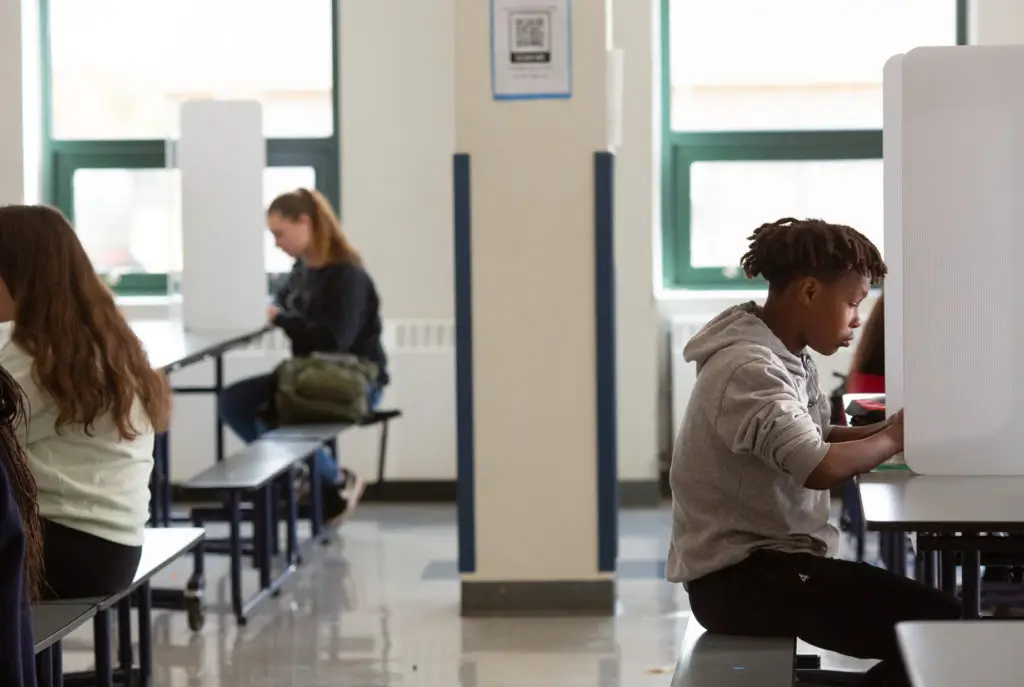
Districts across the country have devised new ways of supporting students, connecting with families and measuring progress despite the disruptions caused by the pandemic.
Are smaller class sizes without the pitfalls possible? Pandemic pods make the case
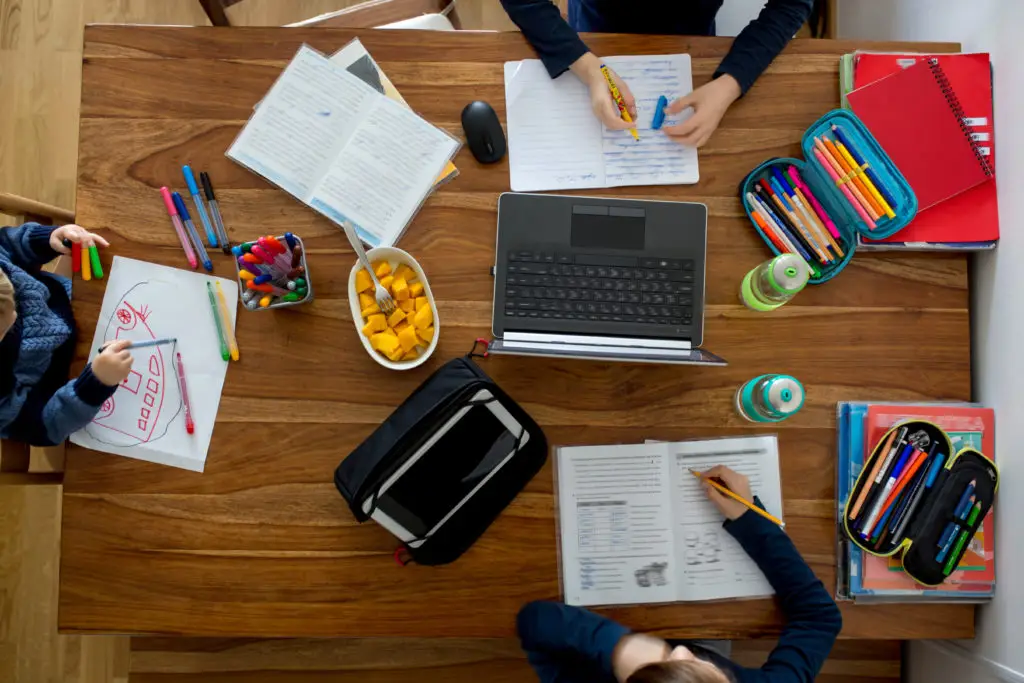
Pandemic pods were borne by necessity as families faced urgent needs for childcare and remote learning support. But they also offer fresh solutions to an age-old education problem: how to dramatically lower class sizes without diluting teacher quality and falling into traps that have snared traditional class size reduction efforts. By leveraging pandemic innovations in […]
How 11 states are using emergency federal funds to make improvements in college and career access
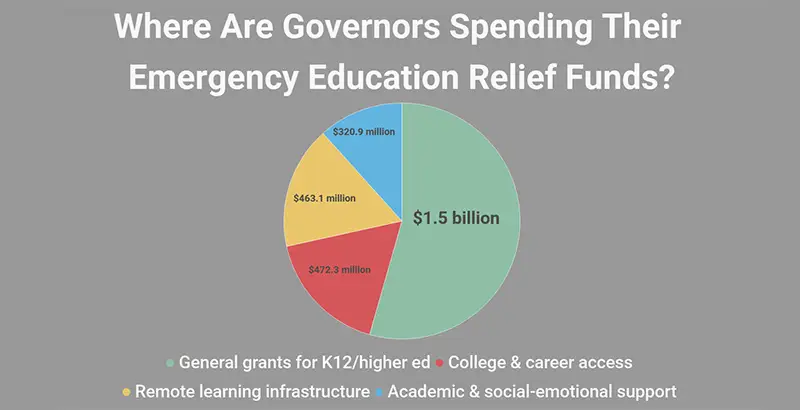
The Governor’s Emergency Education Relief Fund (GEER I and II) gave states $4.25 billion in discretionary federal dollars to support K–12 schools, higher education, and workforce initiatives. These were welcome resources, coming just as the pandemic accelerated unemployment and exacerbated declining college enrollment, hitting those from low-income backgrounds hardest. As of May 1, about $1.5 […]
Don’t risk innovation and family trust with a rush to in-person learning
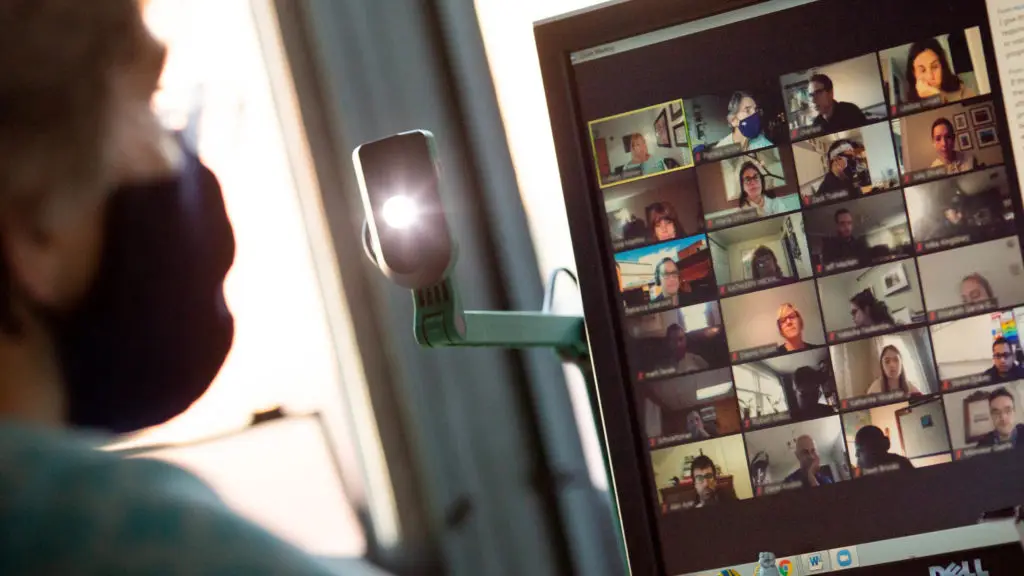
After opposing in-person schooling for more than a year, teachers unions and some Democratic elected officials have flipped, and now want to end all online teaching and force everyone back to school whether they’re comfortable with it or not. Why the flip? Not so clear. Pandemic risks have declined but not disappeared. But the downsides […]
“Don’t leave me out”: Schools should use insights gained from the pandemic to strengthen partnerships with high school families
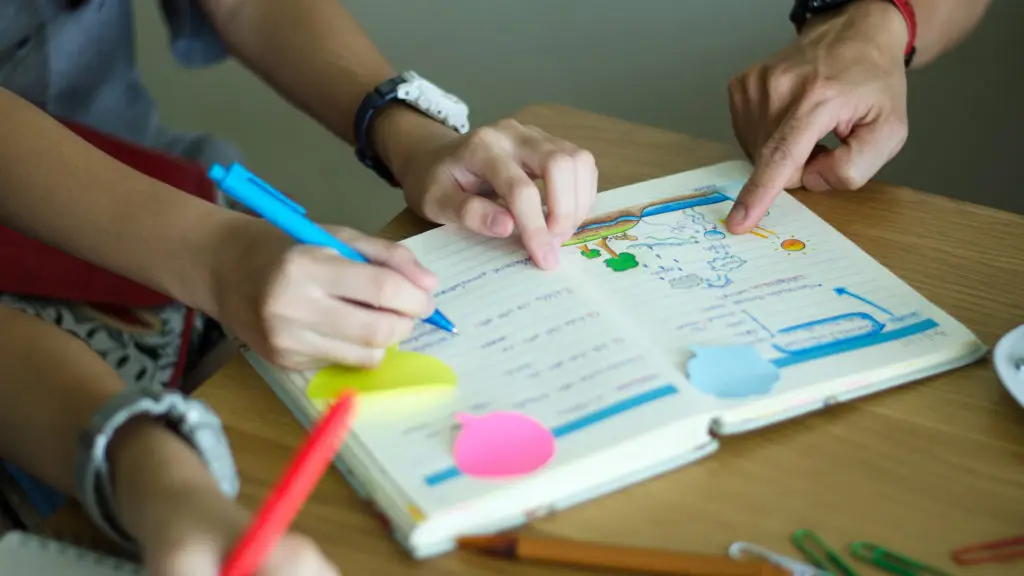
The need to better engage families became starkly apparent during a school year flipped on its head by a global pandemic. Yet there remains a possibility that the realities COVID-19 exposed can help forge a new social contract between schools and families, placing parents in partnership as co-educators with teachers. With that in mind, CRPE […]
Promising Practices Drive Progress: Closing Learning Gaps for Students with Disabilities
This brief highlights six promising practices for serving students with disabilities after the pandemic.
Many kindergartners aren’t showing up as schools reopen in person. How some large urban districts are trying to re-engage families
While most schools are back in person this spring, they continue to grapple with lagging enrollment. Pre-K and kindergarten have been hit especially hard.
As school districts move from “reopening” to “recovery,” what will they be recovering from?
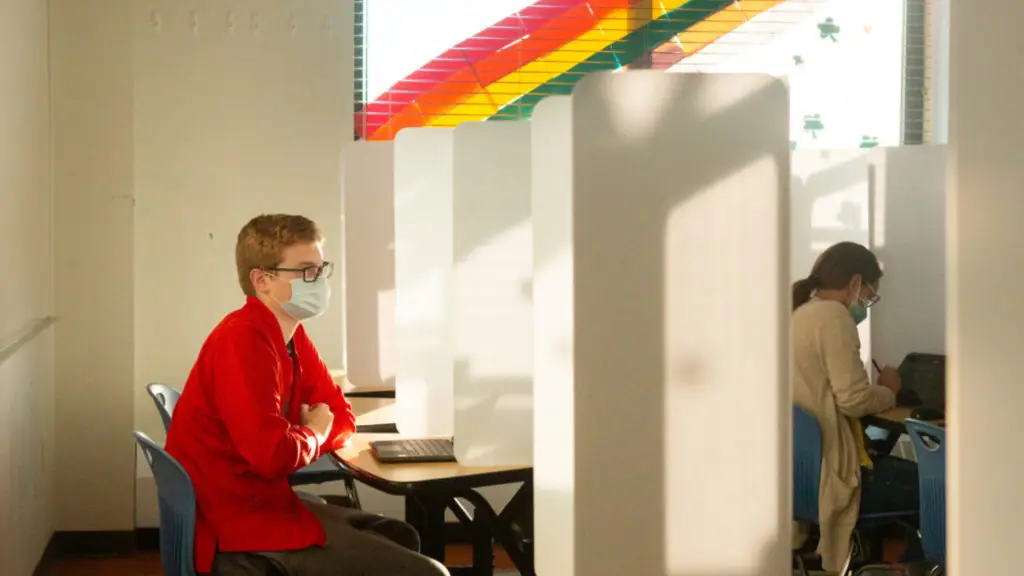
Last winter we interviewed 29 school leaders about lost learning time over the last year and a half, and they were nearly unanimous on one point: rather than diverting struggling students to remedial tracks, they hoped to push forward with teaching grade-level content and skills across the board. The approach, sometimes referred to as “acceleration,” […]
Building public education back better: Could learning hubs and micro-schools be the foundation?
The consensus is becoming clear: families and district leaders want a return to in-person learning as soon as possible. But in a growing number of communities, that does not mean a return to normal. “Normal” wasn’t working for historically marginalized students who have suffered from unequal access to high-quality, rigorous instruction. It wasn’t working for […]
Technology to the rescue: How technology helped connect teachers and parents of students with disabilities through remote learning
This is the second blog post in our Notes from the Field: Special Education blog series. In the early days of the pandemic, schools scrambled to address new and daunting priorities like distributing meals to students and setting families and teachers up for remote learning. Unfortunately, in the frenzy, many schools failed to communicate sufficiently with […]