

• Blogs   
  • The Lens   
Maddy Sims

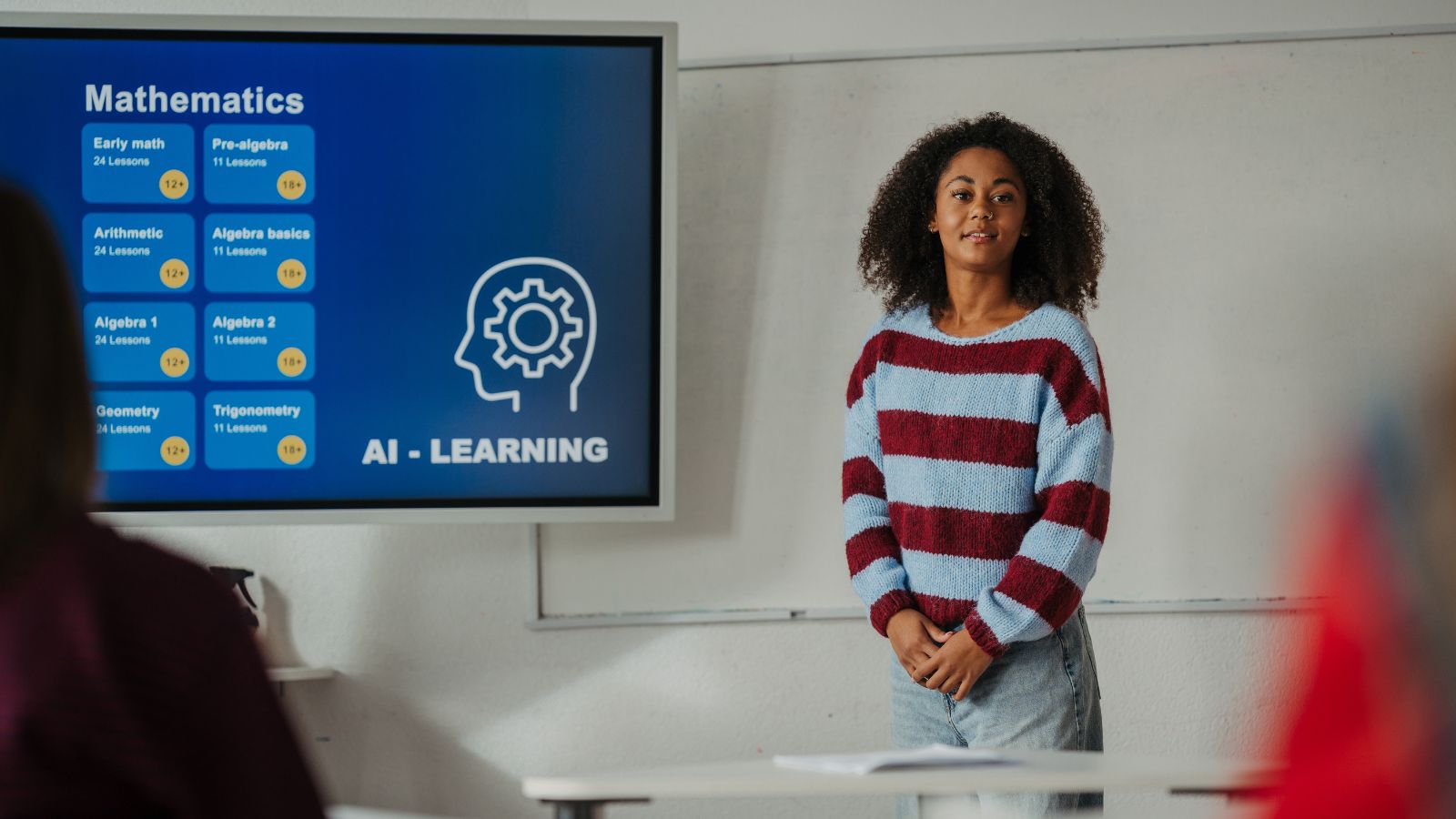
Artificial intelligence is already reshaping how we work, communicate, and create. In education, however, the conversation is stuck. Sensational headlines make it seem like AI will either save public education (“AI will magically give teachers back hours in their day!”) or destroy it completely (“Students only use AI to cheat!” “AI will replace teachers!”).

Must-Reads
Latest Research Publications

  • Research Reports    

Pods in Action: The Oakland REACH

Eupha Jeanne Daramola

REACH’s story demonstrates the potential for community-based organizations to play a larger role in addressing both current challenges and longstanding iniquities in the public education system.

  • Research Reports    

“The most professionally satisfied I’ve been.” How could the best aspects of learning pod staffing be scaled up?

Bryan C. Hassel

Pod staffing arrangements have the potential to be replicated at a much larger scale and in a way that endures beyond the pandemic.

  • Research Reports    

Use of personalized learning platforms in one pandemic-era microschool: A case study

Christopher Doss, Elizabeth Steiner

This paper poses the question of how personalized learning platforms might affect students’ academic, social, and emotional outcomes.

  • Research Reports    

Progress and potential: The innovations of pandemic learning communities led by leaders of color

Eupha Jeanne Daramola

What seven initiatives led by community leaders of color can teach us about advancing racial justice in K–12 educational spaces.

  • Research Reports    

Pods in Action: The Central Florida Urban League

Juli Kim, Sharon Kebschull Barrett

CFUL opened Whitney M. Young Academy, a microschool designed to meet the individual needs of low-income, African American students.

  • Research Reports    

Arizona Autism Charter School: Meeting the Unique Needs of Students with Autism and Other Related Disabilities

Katy Bateman

Pandemic responses in schools like AZACS offer enduring lessons about fluid and effective practices that meet the needs of all students.

Skip to content